How to clean up sewage backup safely in Goshen
Raw sewage carries bacteria, viruses, and parasites. Here is the safe order of operations for a sewage backup in Goshen MD - and when to stop and call a pro.
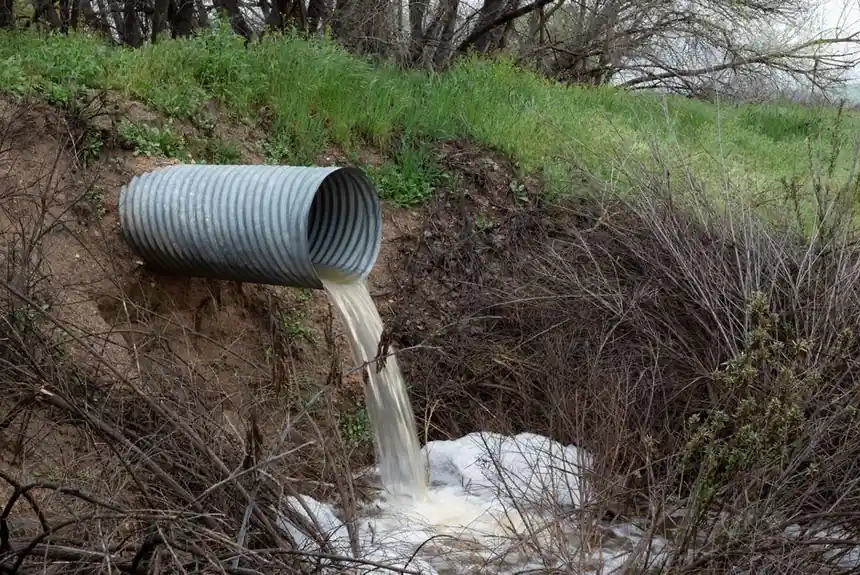
Cleaning up a sewage backup safely in Goshen means three things in this order: get people and pets out of the affected area, shut off the water source feeding the backup, and treat every wet surface as contaminated until it has been physically removed or disinfected. Sewage is Category 3 water - the most contaminated classification in the restoration industry - and no mop, bleach spray, or shop vac makes a flooded basement safe on its own. This guide walks through the exact steps we use on sewage backup cleanup calls across Goshen and the surrounding Gaithersburg area, what you can realistically do yourself, and the point where DIY becomes a health risk.
Why sewage backup is a Category 3 water emergency
Sewage backup cleanup in Goshen falls under Category 3 water loss, which is the IICRC's classification for water that contains pathogenic, toxigenic, or otherwise harmful agents. That category exists because raw sewage carries E. coli, Salmonella, hepatitis A, norovirus, Giardia, and roundworm eggs - organisms that survive on wet drywall, carpet padding, and grout for days, not minutes.
The practical consequence is simple: porous materials that touch sewage water do not get cleaned, they get removed. Carpet, pad, drywall below the flood line, insulation, and most particleboard cabinetry are tear-outs, not wipe-downs. Hard, non-porous surfaces - ceramic tile, sealed concrete, metal framing, solid wood after sanding - can be disinfected and saved.
Category 3 also escalates. Water that sits more than 48 hours at room temperature grows microbial colonies fast enough that even previously clean materials become contaminated. That 48-hour window is why we treat every sewage call as time-sensitive, not as a weekend project.
What to do in the first 30 minutes
The first half hour after a sewage backup determines how much of your home you keep. Move in this order.
- Get everyone out of the affected space. Children, elderly family members, pregnant women, and anyone immunocompromised should leave the floor entirely. Pets too.
- Shut off the water. If the backup is from a fixture or appliance, close the supply valve. If it is a main line surging up through a floor drain, stop using water in the house - every flush and every load of laundry pushes more sewage into the basement.
- Kill the power to the affected area at the breaker panel, but only if you can reach the panel without stepping in sewage. If you cannot, leave it and call an electrician.
- Open windows and run fans that exhaust outdoors if the weather allows. Do not run a central HVAC system - it will pull aerosolized bacteria through the whole house.
- Document everything. Photograph the standing water, the source, and any damaged belongings before anything is moved. Your insurance adjuster will want those photos.
If the backup is coming from the municipal sewer main rather than a fixture inside the house, call the city or WSSC Water before you call anyone else. They need to know, and in some cases they are responsible for the line.
How do I clean up sewage backup safely in Goshen MD?
Safe sewage cleanup in Goshen MD follows a fixed sequence: protect yourself, remove solids, extract standing water, remove contaminated porous materials, disinfect hard surfaces, and dry the structure to below 16% moisture content. Skipping or reordering any step leaves contamination behind.
Personal protective equipment
Before you touch anything, put on the following. This is not optional gear.
- N95 or P100 respirator (a dust mask is not enough)
- Waterproof rubber gloves - the thick kind, not nitrile exam gloves
- Rubber boots that come up past your ankle
- Eye protection (sealed goggles, not safety glasses)
- Disposable Tyvek-style coveralls if you have them
Change out of these clothes immediately after and shower with soap and hot water. Wash the work clothes separately in hot water with detergent.
Removing solids and standing water
Use a shovel or scoop to remove solid waste into heavy-duty contractor bags. Double-bag them. Do not use a household vacuum - a standard shop vac aerosolizes bacteria and pushes it into the air you are breathing.
For standing water, a wet/dry vacuum rated for hazardous material is the minimum tool. We use truck-mounted extraction units on professional sewage water removal in Goshen Maryland because they pull water out of subfloor and framing, not just off the surface. A consumer wet vac leaves 20-30% of the water behind in the pores of concrete and wood.
Disinfection that actually works
Bleach is fine on hard, non-porous surfaces, but the concentration matters. Mix 1 cup of household bleach per gallon of water - roughly a 1:10 dilution - and let it sit on the surface for at least 10 minutes before wiping. Straight bleach evaporates too fast to kill much.
For a more thorough job, we use EPA-registered hospital-grade disinfectants labeled for sewage remediation, then follow with an antimicrobial to slow regrowth. If you are doing this yourself, buy a disinfectant that lists fecal matter or sewage on the label. General-purpose kitchen sprays do not qualify.
Drying the structure
After disinfection, the space has to dry fast. Air movers and dehumidifiers run continuously for 3-5 days on a typical Goshen basement. Target moisture content in wood framing is under 16% - you can check with a pin-type moisture meter from any hardware store. If the reading stays above 16% after 72 hours, you have a hidden moisture problem and mold will follow within a week.
For larger losses - anything over roughly 100 square feet of affected floor, or any backup that reached drywall - the drying math gets complicated. That is where professional Water Damage Repair in Gaithersburg pays for itself, because drying equipment sized wrong either leaves the structure wet or over-dries and cracks it.
What you should never do after a sewage backup
We see the same handful of mistakes on almost every sewage damage restoration in Goshen, and each one either spreads contamination or costs the homeowner money.
- Do not use a household vacuum or carpet cleaner. Both aerosolize bacteria and both will be ruined.
- Do not run the HVAC system. You will contaminate ductwork that costs thousands to clean.
- Do not try to save carpet or carpet pad. Neither can be disinfected. Both have to go.
- Do not mix bleach with ammonia-based cleaners. The resulting chloramine gas can put you in the hospital.
- Do not walk sewage through the rest of the house. Set up a barrier and change footwear at the edge of the contaminated zone.
- Do not delay the call to your insurance company. Most policies require notice within 24-72 hours, and mold exclusions kick in fast.
Why Goshen and Gaithersburg homes back up more than you'd think
Goshen sits in a pocket of Montgomery County where a lot of housing stock dates to the 1970s and 1980s, and the original cast-iron and clay lateral lines are at or past the end of their service life. Root intrusion, offset joints, and bellies in the pipe are the three most common causes we find on camera inspections.
Add the region's weather pattern and the picture gets clearer. Late-summer thunderstorms dump 2-4 inches in an hour on this part of the county, and the ground here is a mix of clay and shale that sheds water rather than absorbing it. When the municipal main surcharges, the lowest fixture in the house - usually a basement floor drain or laundry sink - becomes the relief valve. That is why we get most of our emergency sewage cleanup near me Goshen calls between July and September, and again during the January thaw.
Homes on private septic systems have a different failure mode. A saturated drain field after a wet fall backs sewage into the lowest drain in the house. If you are on septic and the tank has not been pumped in 3-5 years, that is the first thing to check. We handle those calls alongside our regular work across the area, including Water Damage Restoration in North Potomac and the neighboring communities where the same soil and pipe-age issues show up.
When to call a professional
Call a professional the moment any of these are true: the affected area is larger than about 10 square feet, the water reached drywall or cabinetry, the backup came from the municipal main or a septic system, the space has been wet more than 24 hours, or anyone in the home has a compromised immune system.
Our team at Water Damage Restoration Gaithersburg MD handles the whole sequence - extraction, tear-out, disinfection, drying, and reconstruction coordination - so you are not juggling three contractors. We also document the loss for your insurance claim, which is often the difference between a full payout and a partial one. If you are not sure whether your situation qualifies as an emergency, call anyway. We would rather tell you it is a small job than have you find out three weeks later that mold took hold behind the baseboard.
Frequently Asked Questions
How do I clean up sewage backup safely in Goshen MD?
Evacuate the area, shut off the water, and cut power if you can reach the panel safely. Wear an N95 respirator, rubber gloves, and rubber boots. Remove solids, extract standing water with a wet/dry vac rated for hazardous material, tear out porous materials, then disinfect hard surfaces with a 1:10 bleach solution and dry the structure below 16% moisture content.
Is sewage backup water dangerous in Goshen?
Yes. Sewage is Category 3 water and carries E. coli, Salmonella, hepatitis A, norovirus, and parasites. Exposure through skin contact, inhalation of aerosols, or accidental ingestion can cause serious gastrointestinal and respiratory illness. Children, the elderly, and immunocompromised people are at highest risk and should not be in the affected area at all.
Who do I call for sewage backup cleanup in Goshen Maryland?
Call a licensed water damage restoration company that handles Category 3 losses - not a general cleaning service. If the backup is from the municipal main, also call WSSC Water or the city so they can inspect the line. For private septic failures, call a septic pumper first, then a restoration crew to handle the interior.
How long does sewage backup cleanup take?
A small backup contained to a concrete utility floor takes 1-2 days for cleanup and 3-4 days for drying. A finished basement with carpet, pad, and drywall typically runs 5-7 days from extraction through final moisture verification, plus reconstruction time if walls were cut out.
Does homeowners insurance cover sewage backup in Goshen MD?
Standard HO-3 policies usually exclude sewer backup unless you added a sewer backup endorsement, which typically costs $50-$150 per year and covers $5,000-$25,000. Check your declarations page. If you have the endorsement, file the claim within 24-72 hours and photograph everything before cleanup begins.
Get help with Water Damage Restoration in Gaithersburg
If sewage is still on your floor, stop reading and start calling. Our crew responds to sewage backup calls across Goshen and the Gaithersburg area, and we will tell you honestly whether it is a job you can handle or one that needs extraction equipment and hospital-grade disinfectants.
Call 123456789 now. We will walk you through the first steps over the phone while a truck is on the way.