How to remove musty smells after water damage in Montgomery Village
Musty odors after water damage come from mold and trapped moisture. Here is how to remove them in Montgomery Village MD, plus when to call a pro.
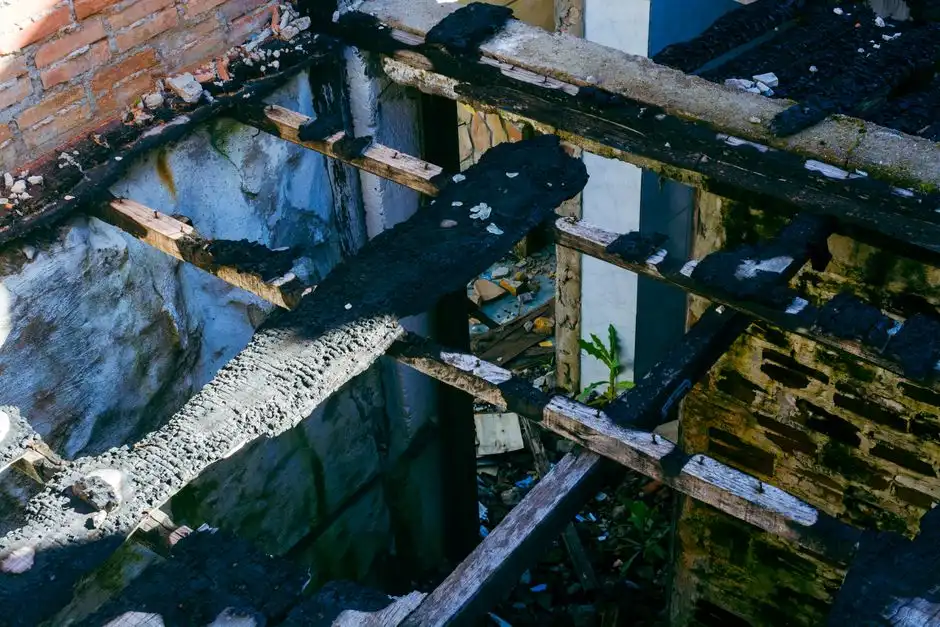
Musty smells after water damage in Montgomery Village come from mold and mildew growing in damp materials, and you remove them by finding every wet surface, drying it completely, and treating the mold itself. Air fresheners and candles do not fix the problem because the odor is a byproduct of active microbial growth, not stale air. This guide walks through why the smell returns, how to remove musty smells after water damage Montgomery Village MD homeowners deal with every year, and when the job is bigger than a dehumidifier and a bottle of vinegar.
We handle these calls across Gaithersburg and the surrounding communities, and the pattern is almost always the same: a slow leak, a failed sump, or a washing machine hose that let go while everyone was at work. The smell shows up days later, usually in a basement or a first-floor hallway.
Why your Montgomery Village home smells musty after water damage
The musty odor in a Montgomery Village home after water damage is caused by mold and mildew colonies releasing microbial volatile organic compounds (mVOCs) as they digest wet drywall, carpet backing, and wood. Those compounds are what your nose picks up. Mold can start colonizing a wet surface in 24 to 48 hours, which is why the smell often appears before you can see any visible growth.
Montgomery Village has a specific set of conditions that make this worse than in newer developments. The community was built largely between the late 1960s and the 1990s, so many homes still have original cast-iron drain lines, older copper supply lines, and finished basements with fiberglass insulation sitting directly against the foundation wall. When a pipe weeps behind a finished wall, the insulation soaks like a sponge and holds moisture for weeks.
The local climate does not help. Montgomery County averages around 40 inches of rain a year, and our summers run humid enough that a basement with no dehumidifier can sit at 65 to 70 percent relative humidity for months. Add one slow leak and you have a mold incubator.
If you are dealing with an active leak on top of the smell, the first priority is stopping water intrusion. Our team handles Water Damage Repair in Gaithersburg for everything from burst supply lines to backed-up floor drains, and we dry the structure before we treat odor.
How do I remove musty smells after water damage in Montgomery Village MD?
You remove musty smells after water damage in Montgomery Village MD by eliminating the moisture source, drying all affected materials to below 16 percent moisture content, removing porous items that cannot be saved, and treating hard surfaces with an antimicrobial. The smell disappears when the mold stops growing, not before.
That is the short answer. The longer version depends on how long the water sat and what it touched. Clean water from a supply line that was dried within 24 hours is a different job than category 3 water from a sewage backup that soaked into a finished basement for a week.
Here is the order that actually works:
- Stop the water and document the damage for your insurance claim.
- Remove standing water with a wet vac or submersible pump.
- Pull up saturated carpet, padding, and any soaked drywall below the water line.
- Run commercial dehumidifiers and air movers until moisture readings are normal.
- Treat framing, subfloor, and concrete with an antimicrobial.
- Seal or replace porous materials that absorbed the odor.
Skipping step three is the single most common reason a musty smell comes back three weeks after a homeowner thinks the problem is solved. Carpet padding that got wet and dried on its own will smell like a wet dog forever.
What causes musty smell after water damage in Montgomery Village?
The musty smell after water damage in Montgomery Village is caused by mold, mildew, and bacteria breaking down organic material in wet building products. Drywall paper, carpet backing, wood framing, and even dust trapped in insulation are food sources. Once they stay wet past 48 hours, the colonies establish and start producing odor compounds.
There are a few culprits we see repeatedly in this area:
- Slow supply-line leaks behind refrigerators, dishwashers, and bathroom vanities. These can run for months before anyone notices.
- Basement seepage through block foundation walls after heavy rain. The water wicks up the wall and soaks the insulation and drywall.
- HVAC condensate line clogs that drip into a ceiling cavity. By the time the stain shows, the smell is already there.
- Washing machine and water heater failures, often in second-floor laundry rooms where water travels down through the ceiling below.
- Sump pump failures during summer thunderstorms, which leave two or three inches of water sitting on a basement floor.
One more factor specific to this part of Montgomery County: many homes here were built with vapor barriers that have since been punctured or never installed correctly. That lets ground moisture migrate up through the slab, which keeps a basement humid even when there is no visible leak. If your basement smells musty every August but you have never found water, that is usually why.
Step-by-step musty smell removal after water damage Montgomery Village
Musty smell removal after water damage in Montgomery Village starts with moisture control and ends with surface treatment. If you do it in the wrong order, you will chase the odor for months.
1. Find every wet area, not just the obvious one
Use a moisture meter on drywall, baseboards, and subfloor. Water travels. A leak under a kitchen sink can show up as a musty smell in a hallway closet 15 feet away. Check the ceiling below any second-floor bathroom, and pull the bottom drawer out of vanities to look at the cabinet floor.
2. Dry the space aggressively
You want the indoor humidity under 50 percent and the affected materials under 16 percent moisture content. A single box fan will not do it. We run refrigerant or desiccant dehumidifiers plus high-velocity air movers, and we check readings daily until they are dry. A typical 400-square-foot finished basement takes two to four days with professional equipment. A homeowner with one rented dehumidifier is looking at two weeks or more, and mold keeps growing the whole time.
3. Remove what cannot be saved
Carpet and padding that were wet for more than 48 hours come out. So does drywall that was submerged or has visible mold on the paper face. Insulation that got soaked gets replaced. This is not a judgment call - it is the difference between a house that smells clean and a house that smells like a cellar.
4. Treat hard surfaces
After drying, wipe or spray framing, subfloor, and concrete with an EPA-registered antimicrobial. For light surface mildew on painted walls, a mix of one cup of white vinegar to a gallon of water works on non-porous surfaces. Do not mix bleach and vinegar, and do not use bleach on wood framing - it can damage the wood and does not penetrate as well as a proper antimicrobial.
5. Seal or replace odor-holding materials
Unfinished wood framing that has been treated and dried can be sealed with an odor-blocking primer. Particleboard, oriented strand board, and any composite material that swelled usually needs to go. Once those materials are out, the smell goes with them.
6. Run a dehumidifier permanently
In a Montgomery Village basement, keep a dehumidifier set to 45 to 50 percent relative humidity year-round. Empty it or plumb it to a floor drain. This is the cheapest insurance you can buy against the smell coming back.
If the water came from outside - a storm drain backup, a creek overflow, or surface flooding - the job is bigger and the contamination level is higher. We handle flood damage in Gaithersburg and the surrounding areas, including extraction, structural drying, and odor treatment.
Common mistakes that keep the mildew smell around
Mildew smell removal in Montgomery Village fails for predictable reasons. Here are the ones we see most often when we get called in after a DIY attempt.
- Masking the odor instead of removing the source. Ozone machines, candles, and air fresheners do nothing if mold is still growing in a wall cavity.
- Drying the air but not the materials. A room can feel dry while the subfloor underneath still reads 25 percent moisture.
- Leaving wet carpet padding in place. It will not dry on its own, and it holds odor longer than anything else in the house.
- Running a fan without a dehumidifier. You are just moving humid air around.
- Assuming the smell is gone because you cannot see mold. Mold hides behind baseboards, under flooring, and inside wall cavities.
- Not fixing the original leak. If the supply line or foundation crack is still weeping, you will be back here in six months.
One more: turning the HVAC system on to "clear the air." If the musty smell is in the basement and your return air duct pulls from there, you are distributing mold spores through the whole house. Change the filter and have the ductwork evaluated before you run the system.
When to call a professional for musty odor elimination Montgomery Village MD
Call a professional for musty odor elimination in Montgomery Village when the affected area is larger than about 10 square feet, when the water sat for more than 48 hours, when the smell persists after you have dried and cleaned, or when the water came from a sewage or flood source. Those situations involve contamination and hidden moisture that consumer equipment cannot reach.
We also get called when a homeowner is selling a house and a buyer's inspector flags a musty odor in the basement. That is a job where you need documentation - moisture readings, drying logs, and a clear scope of what was removed and treated.
Our team at Water Damage Restoration handles Water Damage Restoration in Montgomery Village and the surrounding communities, including extraction, structural drying, mold treatment, and odor removal. We give you a written scope and a fixed price before we start, and we tell you honestly if the job is smaller than you think.
For larger losses - apartment buildings, retail spaces, or office suites - we also handle commercial water damage restoration in Gaithersburg, with after-hours response so a burst pipe does not shut down your business for a week.
Frequently Asked Questions
How do I remove musty smells after water damage in Montgomery Village MD?
Find and stop the water source, dry all affected materials below 16 percent moisture content, remove wet carpet, padding, and drywall that cannot be saved, then treat hard surfaces with an antimicrobial. Run a dehumidifier at 45 to 50 percent humidity afterward. Most homes take two to four days of professional drying.
What causes musty smell after water damage in Montgomery Village?
Mold and mildew growing on wet drywall, carpet backing, wood, and insulation release odor compounds called mVOCs. Growth starts within 24 to 48 hours of a material staying wet. In Montgomery Village, older supply lines, basement seepage, and humid summers make this common.
Does water damage restoration remove musty odors in Montgomery Village Maryland?
Yes. Professional restoration removes the moisture and the mold that cause the odor, not just the smell itself. That includes extraction, structural drying, removal of unsalvageable materials, antimicrobial treatment, and in some cases odor-blocking sealants on framing. The odor goes away when the source is gone.
How long does it take to get rid of the smell?
If the affected area is small and dried within 24 hours, the smell can clear in two to four days. If mold has established in wall cavities or under flooring, expect one to two weeks including removal and treatment. Homes with long-standing leaks take the longest.
Will my insurance cover musty odor removal after water damage?
Most homeowner policies cover odor removal and mold remediation when the loss comes from a sudden event like a burst pipe or appliance failure. Gradual leaks and long-term seepage are often excluded. Document everything with photos and moisture readings before work begins, and call your adjuster early.
Get help with Water Damage Restoration in Gaithersburg
If the musty smell in your Montgomery Village home has not cleared after drying and cleaning, the mold is likely still active somewhere you cannot see. We find it, remove it, and dry the structure so the odor does not come back.
Call Water Damage Restoration at 123456789 for a same-day assessment in Gaithersburg and the surrounding communities.